

Nova Scotians beware: as of April 5 we have been stripped of legal protection from expensive and dangerous nuclear power experiments, a protection we have had for over 30 years.
Two small clauses removing the prohibition on nuclear power plants in NS are buried in the extensive Energy Reform Act, which makes major changes to utility regulation, power systems operation and power generation in Nova Scotia. The public had not been informed or consulted on this significant reversal of the long-held prohibition on nuclear power generation in Nova Scotia.
Apparently, the PC government is readying Nova Scotia for small, medium or modular nuclear reactors (SMRs) through Nova Scotia Power. As the debate began in the Nova Scotia Legislature in March, Premier Tim Houston was off to an international pro-nuclear meeting in Brussels, secure in his pro-SMR position. The PC majority in the Legislature ensured the passage of the Act, including the reversal of the nuclear prohibition law.
The nuclear industry and federal government are promoting SMRs across Canada when there is no product of this kind at the commercial level supplying electricity to a power grid. In spite of decades of different ideas and trials, SMRs remain at the experimental stage. The most advanced SMR project in North America, the NuScale reactor was cancelled in late 2023 when the utilities in Utah dropped out because the costs had become so prohibitive.
New Brunswick is supporting two SMR designs from start-up companies from the U.S. and the U.K. now based in Saint John. The two designs in New Brunswick are based on types of large reactors that have never operated successfully to generate electricity, with many failed attempts causing ongoing expense and hazards in the hosting areas. Yet, plans for New Brunswick include at least two SMRs at the Point Lepreau site across from Nova Scotia’s Bay of Fundy shore.
Another SMR design is in the works in Ontario and another in the concept stage is in Saskatchewan. None of the companies supporting SMR designs in Canada has a license to build one and they will be on the drawing board for many years to come.
The nuclear industry is selling technological optimism, not a proven functional grid-ready product. Fueled by the long-held false claim of nuclear power as necessary to fight climate change, now revived for SMRs, the nuclear industry is seeking a big slice of governments’ budgets for climate change action.
These experimental nuclear power projects are a distraction from timely climate action. They undermine funding for existing technologies and innovation in energy transmission and storage.
The various nuclear industry players are convincing our governments to subsidize and promote their SMR experiments. It is each of us, federal and provincial taxpayers, who will pay the price, carry their risk, and bear the health, environmental and security consequences, whether the experiments are successful or not. Federally, it has cost us already over a billion dollars in grants and government-backed loans, and the nuclear players have hardly started.
The potential for SMR units to undermine Nova Scotia’s climate action budget may be underway. A report to the Nova Scotia Clean Electricity Task Force written by Stantec, a major architecture and engineering firm, presents these experimental SMRs as “conventional” and has the scenario with two SMRs in Cape Breton in Nova Scotia’s energy future starting 2035-2040.
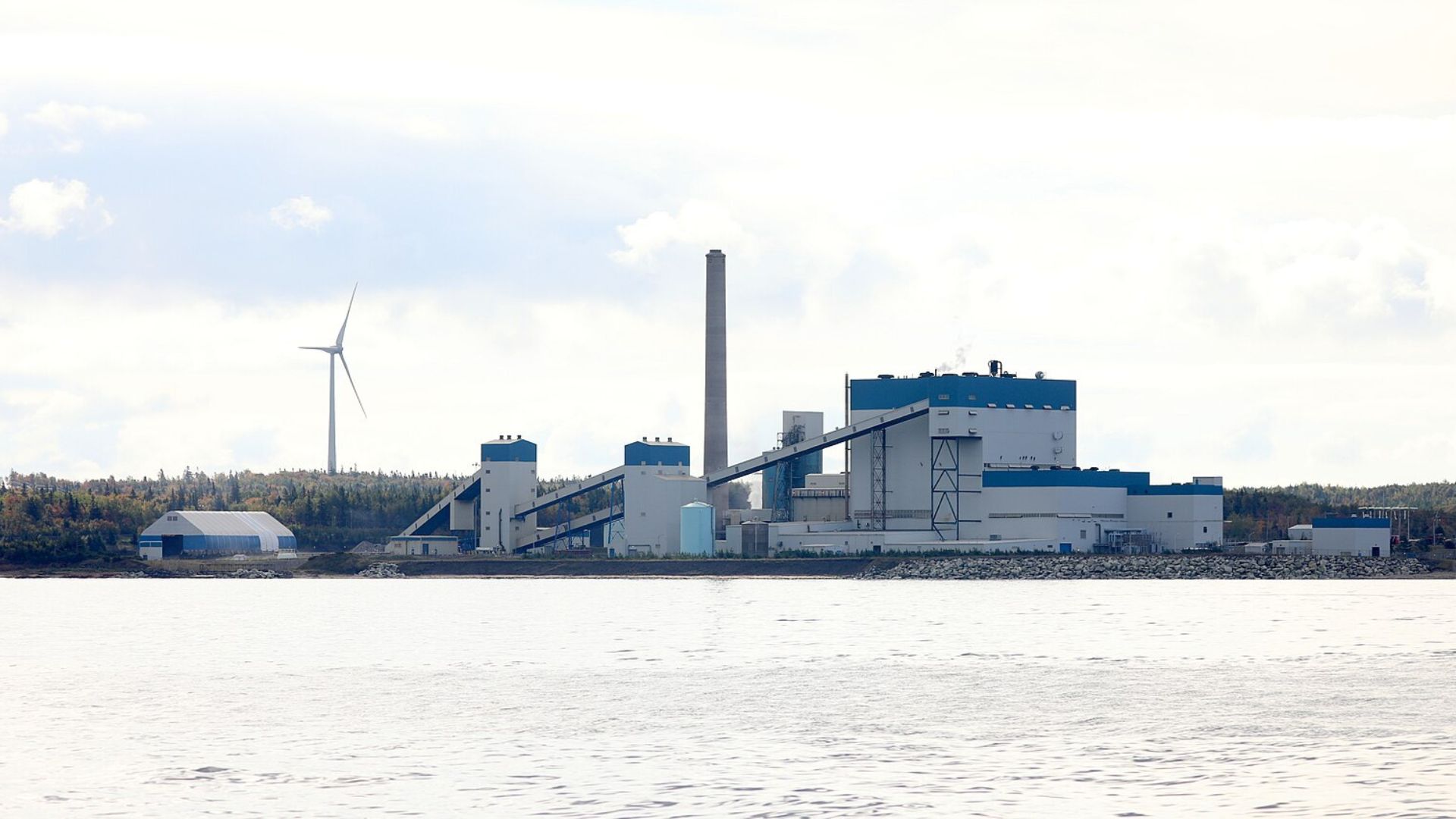
The federal government is requiring the use of coal-fired generators to stop by 2030. The coal-fired Belledune Generating Station is one of NB Power’s largest power generators. Almost half of the power for Nova Scotia is produced by coal. Yet, there is no certainty as to a replacement industry for the affected communities. NS Power announced that the coal power units at Lingan will be converted to burn heavy fuel oil. Surely, this is a short-term plan as it does not move us toward net zero.
Internationally, nuclear power promoters are pushing for coal power plant sites to be used for SMRs. At an International Atomic Energy Agency-sponsored event in 2024, industry representatives noted that these locations offer land, some infrastructure that can be repurposed, and a displaced workforce, so there is likely higher community acceptance of nuclear reactors in order to secure employment.
These communities should not face pressure to accept SMRs. At sites where people have already suffered the industrial pollution of the coal economy, they must not suffer the production and storage of the toxic radioactive wastes and the security risks of a questionable nuclear economy.
We can achieve CO2 reduction without more radioactive waste producers.
To ensure a just transition for coal-dependent communities, the priority should be local clean-up and building a healthy future. These communities need support now to transition over the next five years.
Cape Breton locations have new potential from offshore wind developments which the province announced in 2022, but the legal framework to proceed is just now passing Senate approval.
Coal power locations are well placed for options that give local employment in energy efficiencies, renewable energy, long-term power storage and innovation in an upgraded grid system, especially as these sites are already within the energy generation and transmission system.
What can you do? Get the facts on SMRs. Do not depend on promotional materials from the nuclear industry, whose purpose is to sway the government for funding. Ask your MLA what action is being taken now for the communities that have depended on the coal economy. Share your concern and support people in the affected communities, so they will have jobs that will not result in a toxic, radioactive legacy; imagine if it were your community.
Mary Lou Harley, PhD, is an educator and consultant whose background includes issues that involve the intersection of environmental, social, economic and ethical considerations, particularly nuclear issues.