• “I can’t believe I get to live in a place like this”: Deborah Carr
  • “Our rural roads are dangerous”: Cheryl Johnson
  • “Scarlet flowers in a messy garden:” Rick Roth
  • 2021 CUPE strike
  • About
    • History
    • Join us / Rejoignez-nous
  • Archives
  • Brian Beaton Annual Prize in Journalism for Justice / Le prix annuel de journalisme Brian Beaton pour la justice
  • Calendar
  • Comment soumettre votre article
  • Contact
  • Front Page
  • Garlic and optimism by Stephanie Coburn
  • google site verification – do not delete
  • Join the Co-op / Donate
  • Local Journalism Initiative
  • Markets and inter-generational goodness by Teri McMackin
  • Nuclear energy in New Brunswick
  • On hanging on and being hopeful: Deborah Carr
  • Our Team / Notre Équipe
  • Posts Page
  • Privacy policy
  • Share a Story
  • Subscribe/ S’abonner
  • The Brief / En Bref
  • The hills of Penobsquis by Beth Nixon
  • The NB debrief with Tobin Haley
  • Devenir membre / Faire un don
  • Donation Confirmation
  • Donation Failed
  • Donor Dashboard
NB Media Co-op
No Result
View All Result
No Result
View All Result
NB Media Co-op
No Result
View All Result
Home *Opinion*

Caregivers cannot live on recognition alone

New Brunswick Coalition for Pay Equity wants Higgs to spend federal COVID money on caregiver wages

by Rachel Richard
November 7, 2021
in *Opinion*, Gender, Labour, New Brunswick, Opinion
0
The gendered impact of the COVID-19 pandemic

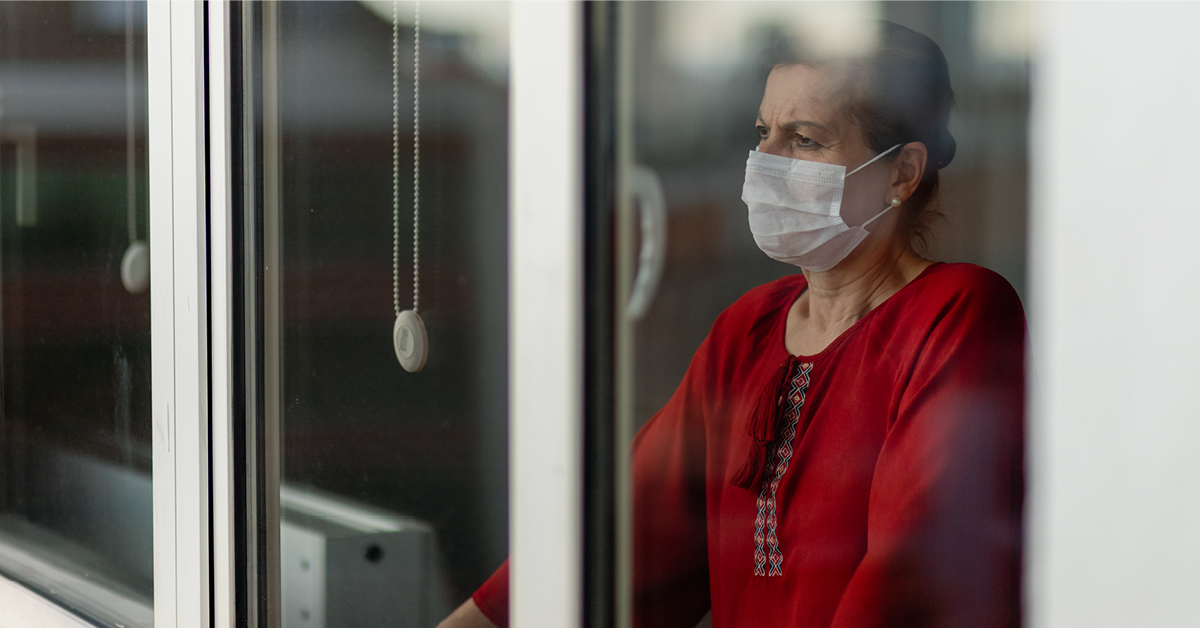
Public health care is undermined by private and non-profit delivery of health care, say concerned New Brunswickers. Photo from CUPE.

0
SHARES
0
VIEWS

The New Brunswick Coalition for Pay Equity is denouncing the New Brunswick government’s refusal to claim over $59 million in federal funds intended to fight COVID-19.

The Coalition advocates for caregivers, who are mostly women, and are paid less because of their gender. The Coalition and unions in New Brunswick such as CUPE NB have asked the Higgs government to increase the pay and provide better working conditions for caregivers, especially during the pandemic. Higgs so far has refused.

Before the pandemic hit, the Higgs government prevented the province’s 4,100 nursing home workers from accessing binding arbitration in their labour dispute, citing its lack of resources to pay wage increases.

During the dispute, Higgs told nursing home workers that “if you want that kind of wage, then Alberta’s where to get it.”

The latest study from the Canadian Centre for Policy Alternatives (CCPA), however, reveals that the province has not accessed $30 million for Essential Workers Wage Top-up, nor $19.7 million for its Safe Long-term Care Fund, meant to cover additional long-term care expenses.

The top ups were intended to insure that provinces could retain long-term care workers, given the increased pressures on their job due to the pandemic. New Brunswick entered the pandemic with a chronic shortage of available nurses in long-term care facilities.

To save money, the Higgs government also allowed five private special care homes in the north of the province to cut staff levels. The results were malnourished and dehydrated residents, according to a report by the CBC.

“Workers are under increased stress and struggling to keep themselves and the residents safe. Yet, they remain underpaid,” said Frances LeBlanc, the Coalition Chair. “It is time to be fair and show compassion to all these workers who are providing services to seniors, people with physical and mental disabilities or mental illnesses, women fleeing domestic violence and children.”

The Coalition hailed the government’s decision last May to grant a monthly supplement of $500 for four months to front-line workers in the caregiving sector earning less than $18 and hour. Because it was temporary, this recognition, which ended in July, is not beneficial to caregivers who are facing a surge of outbreaks in long-term care facilities since the beginning of the second wave.

“The caregiving workforce is under unprecedented strain and is facing higher risks while still earning low wages. They cannot live on recognition alone. The value of their work should be reflected in their paycheck,” adds LeBlanc.

The sector, which was in crisis long before the pandemic is facing challenges in recruitment and retention of caregivers given their low wages and poor working conditions, such as little to no paid sick days. Most caregivers currently earn between $14 and $16 per hour. Their wages do not reflect the responsibilities, skills, effort and working conditions required for their work.

“We call on the government to provide the necessary 25 per cent in funding to match federal money, and provide additional wage top-ups for the entire caregiving sector. Moreover, we will be watching the next provincial budget closely for key investments in caregiving. The government has an opportunity to steer its agenda to support the care economy, not only during the pandemic but in the long term,” concludes LeBlanc.

With files from Matthew Hayes.

Rachel Richard is the public engagement officer with the New Brunswick Coalition for Pay Equity.

Tags: Canadian Centre for Policy Alternativescare workerscaregiversCCPACOVID-19CUPE NBlong-term care homeslong-term care workersNew Brunswick Coalition for Pay Equitypay equityPremier Blaine HiggsRachel Richard

Recommended

No Content Available

Site Links

  • Log in
  • Entries feed
  • Comments feed
  • WordPress.org
  • “I can’t believe I get to live in a place like this”: Deborah Carr
  • “Our rural roads are dangerous”: Cheryl Johnson
  • “Scarlet flowers in a messy garden:” Rick Roth
  • 2021 CUPE strike
  • About
  • Archives
  • Brian Beaton Annual Prize in Journalism for Justice / Le prix annuel de journalisme Brian Beaton pour la justice
  • Calendar
  • Comment soumettre votre article
  • Contact
  • Front Page
  • Garlic and optimism by Stephanie Coburn
  • google site verification – do not delete
  • Join the Co-op / Donate
  • Local Journalism Initiative
  • Markets and inter-generational goodness by Teri McMackin
  • Nuclear energy in New Brunswick
  • On hanging on and being hopeful: Deborah Carr
  • Our Team / Notre Équipe
  • Posts Page
  • Privacy policy
  • Share a Story
  • Subscribe/ S’abonner
  • The Brief / En Bref
  • The hills of Penobsquis by Beth Nixon
  • The NB debrief with Tobin Haley
  • Devenir membre / Faire un don
  • Donation Confirmation
  • Donation Failed
  • Donor Dashboard

© 2026 JNews - Premium WordPress news & magazine theme by Jegtheme.

No Result
View All Result
  • “I can’t believe I get to live in a place like this”: Deborah Carr
  • “Our rural roads are dangerous”: Cheryl Johnson
  • “Scarlet flowers in a messy garden:” Rick Roth
  • 2021 CUPE strike
  • About
    • History
    • Join us / Rejoignez-nous
  • Archives
  • Brian Beaton Annual Prize in Journalism for Justice / Le prix annuel de journalisme Brian Beaton pour la justice
  • Calendar
  • Comment soumettre votre article
  • Contact
  • Front Page
  • Garlic and optimism by Stephanie Coburn
  • google site verification – do not delete
  • Join the Co-op / Donate
  • Local Journalism Initiative
  • Markets and inter-generational goodness by Teri McMackin
  • Nuclear energy in New Brunswick
  • On hanging on and being hopeful: Deborah Carr
  • Our Team / Notre Équipe
  • Posts Page
  • Privacy policy
  • Share a Story
  • Subscribe/ S’abonner
  • The Brief / En Bref
  • The hills of Penobsquis by Beth Nixon
  • The NB debrief with Tobin Haley
  • Devenir membre / Faire un don
  • Donation Confirmation
  • Donation Failed
  • Donor Dashboard

© 2026 JNews - Premium WordPress news & magazine theme by Jegtheme.

X
Did you like this article? Support the NB Media Co-op! Vous avez aimé cet article ? Soutenez la Coop Média NB !
Join/Donate