

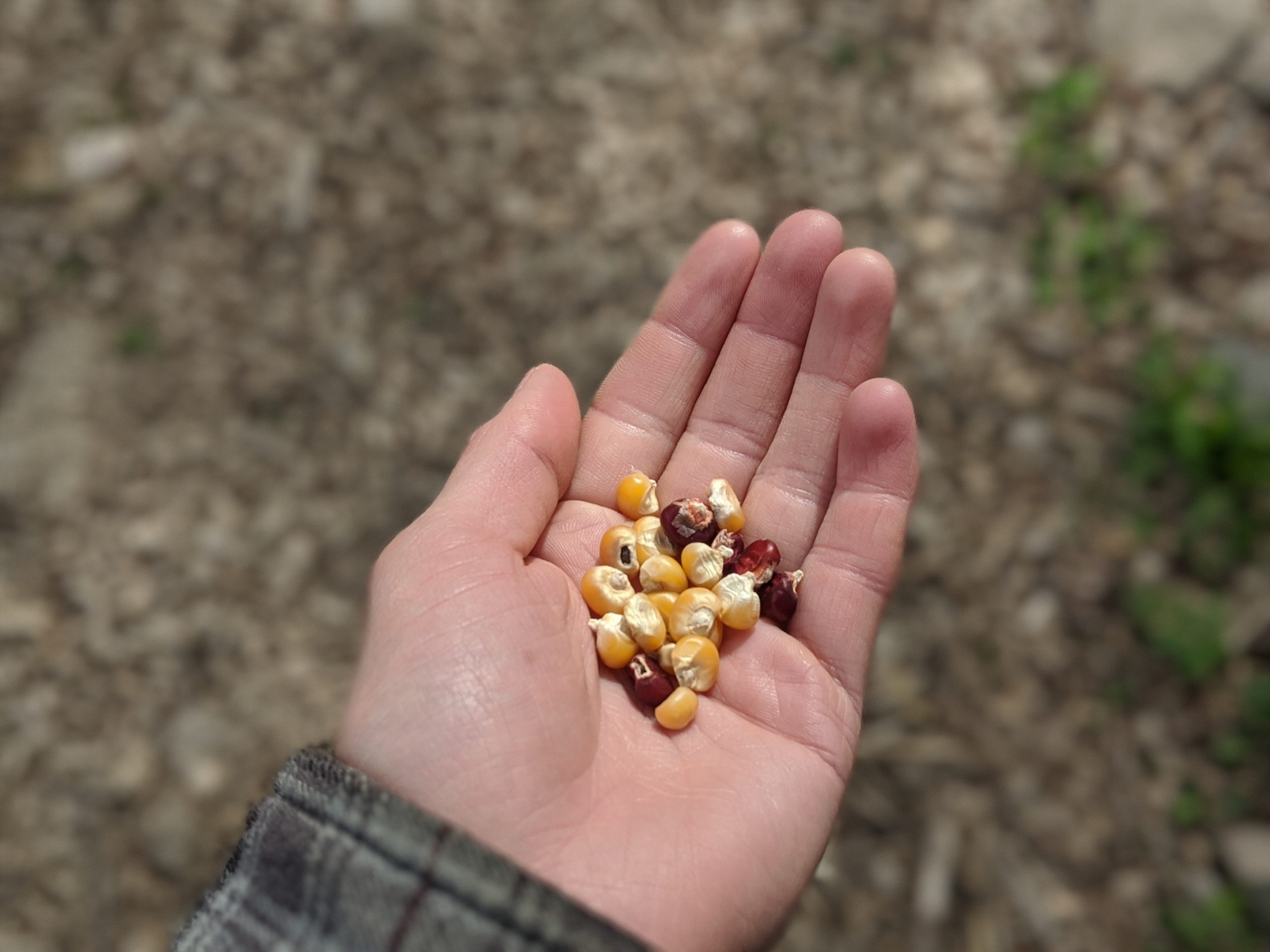
How can something not much bigger than a grain of salt contain the power to feed the masses?
Seeds are an essential piece of the puzzle of growing food. Small but mighty, seeds mark the beginning of life, growth and nourishment.
They come in all shapes and sizes – some are new, some are old, some have the power to heal and some have the power to harm.
But where do they come from, and how can we access them?
Most seeds are produced once a plant has reached maturity. Depending on the plant, the seeds will be composed and saved differently. Many growers who choose to save their seeds will plant a few extra of each variety to allow a few to be used solely for seed collection and saved for the following season.
Though you can save your seeds and continue using them year after year, everybody has to start somewhere. Selecting the right seeds can be confusing – labels like organic, heirloom, and hybrid can make choices tougher than they ought to be.
Organic seeds are bred to grow in settings where synthetic herbicides, fertilizers and pesticides are not used. Rather than relying on heavy chemicals, organic seeds rely on healthy soil and proper care to grow into nutritious, harvestable plants.
Heirloom seeds are plant varieties that have been passed down through generations of a family or community, typically for 50 years or longer. They are neither genetically modified nor hybridized, and must be open-pollinated.
Open-pollination means that pollination occurs by insect, bird, wind or other natural mechanisms. It is beneficial because it makes plants genetically diverse, causing a greater amount of variation within plant populations, and allowing plants to slowly adapt to local growing conditions over time.
Some heirloom seeds are unique varieties with a very rich history and culture in terms of food, stories and growing practices. Some of the oldest seeds in North America continue being grown today thanks to Indigenous groups, who grew specific varieties for their taste, but also for their cultural and historical significance.
Not all open-pollinated plants are heirlooms. If open-pollinated plants cross within the same species, the resulting seed would be a hybrid. Hybrid plants can occur naturally or deliberately – when done deliberately, it is generally to improve the yield, increase resistance, or change the looks or flavour of the plant.
The only issue with hybrid varieties is that they are genetically unstable, which means they won’t usually produce ‘true’ the following season if their seeds are saved.
Organic and heirloom seeds are never genetically modified, so they are generally a good pick when it comes to selecting seeds.
Different plants require different environments to thrive, so what grows well in New Brunswick?
The harsh winters in New Brunswick make for a shorter growing season than many other places, but that doesn’t mean we can’t enjoy some bountiful harvests during the spring, summer and fall.
It is important to select appropriate plants for New Brunswick’s climate, which can be made easier by knowing the plant hardiness zone of your region.
Most of the fruits and vegetables that can be grown in New Brunswick are introduced species, moved from their native range into a new environment or setting. But there are also lots of delicious native plants that occur naturally across the province without the need for human intervention.
New Brunswick Community Harvest Gardens (NBCHG) and the Fredericton Public Library (FPL) are increasing access to seeds through the FPL Seed Library.
The FPL Seed Library project was started by NBCHG in 2013 to promote food security and encourage the exchange of locally adapted seeds that thrive in the local growing conditions.
Saving seeds adapted to New Brunswick’s climate can help ensure a stable supply of seeds in the event of crop failure in other areas.
The Seed Library aims to help people get started in their gardens, and in return, can receive seeds from growers the following season. They collect heirloom, open-pollinated, and non-genetically modified seeds, and offer seed-saving workshops to help people start saving seeds on their own.
Hannah Moore is a recent graduate from St. Thomas University, currently working as a Food Security and Regenerative Farming Reporter for the RAVEN project at the University of New Brunswick.