• “I can’t believe I get to live in a place like this”: Deborah Carr
  • “Our rural roads are dangerous”: Cheryl Johnson
  • “Scarlet flowers in a messy garden:” Rick Roth
  • 2021 CUPE strike
  • About
    • History
    • Join us / Rejoignez-nous
  • Archives
  • Brian Beaton Annual Prize in Journalism for Justice / Le prix annuel de journalisme Brian Beaton pour la justice
  • Calendar
  • Comment soumettre votre article
  • Contact
  • Front Page
  • Garlic and optimism by Stephanie Coburn
  • google site verification – do not delete
  • Join the Co-op / Donate
  • Local Journalism Initiative
  • Markets and inter-generational goodness by Teri McMackin
  • Nuclear energy in New Brunswick
  • On hanging on and being hopeful: Deborah Carr
  • Our Team / Notre Équipe
  • Posts Page
  • Privacy policy
  • Share a Story
  • Subscribe/ S’abonner
  • The Brief / En Bref
  • The hills of Penobsquis by Beth Nixon
  • The NB debrief with Tobin Haley
  • Devenir membre / Faire un don
  • Donation Confirmation
  • Donation Failed
  • Donor Dashboard
NB Media Co-op
No Result
View All Result
No Result
View All Result
NB Media Co-op
No Result
View All Result
Home *Opinion*

Atlantic Premiers can improve economy by tackling poverty

by Patrick Colford
March 7, 2020
in *Opinion*, Economy, Labour, New Brunswick, Opinion, Politics
0
Atlantic Premiers can improve economy by tackling poverty

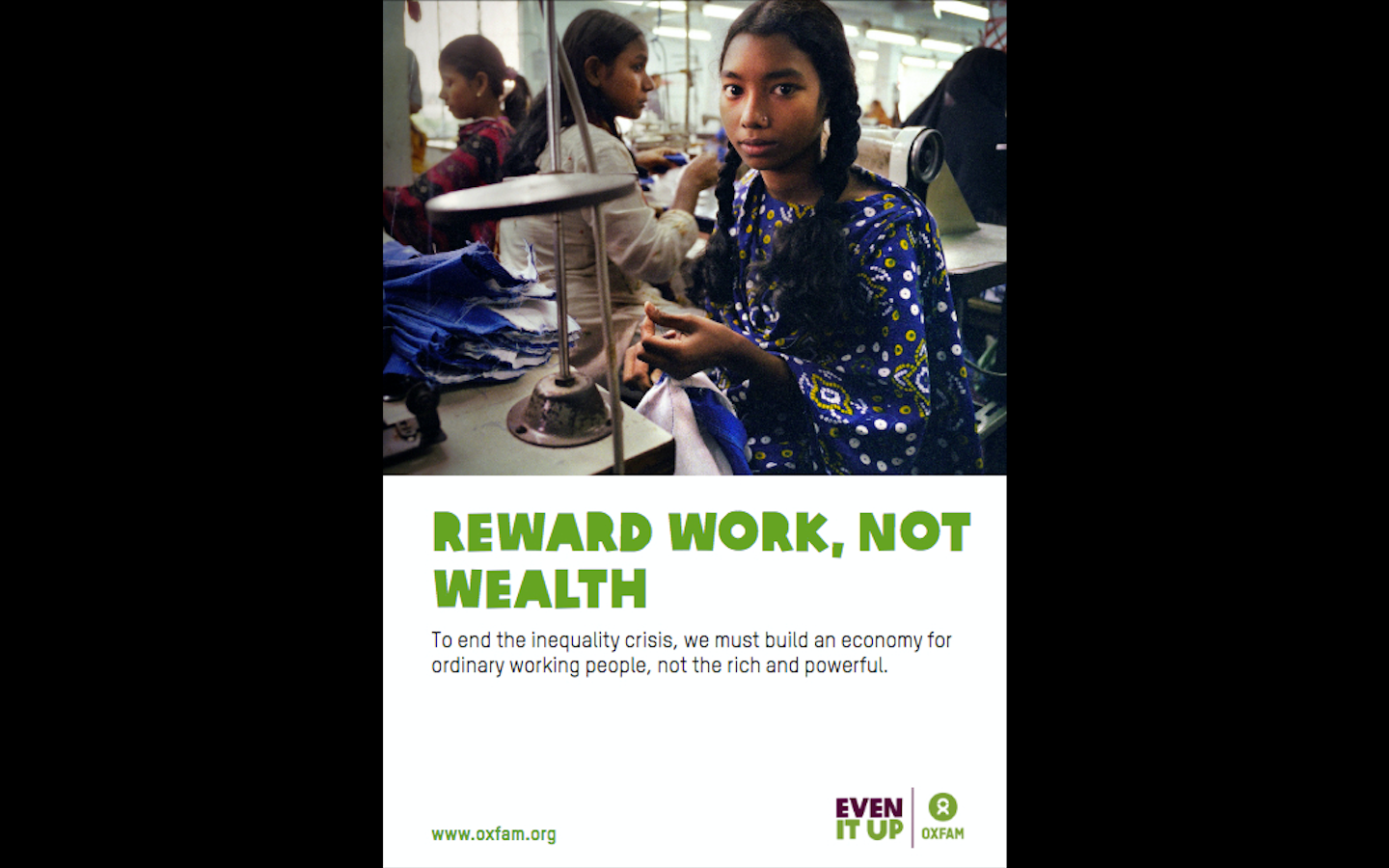
Oxfam poster: Reward Work, Not Wealth

0
SHARES
0
VIEWS

As our Atlantic premiers meet this week in Charlottetown PEI, they have much talking to do. They must discuss poverty, housing, and an Atlantic minimum wage. Poverty is getting worse in the Atlantic region and now is the time to set out a path to diminish hardship, establish an Atlantic minimum wage, bring in universal public child care, and build a housing strategy – initiatives  which will all support an effective economic outlook.

We saw a report from Oxfam, just like we do each year around this time. It’s troubling that the 26 richest billionaires own as many assets as the 3.8 billion people who make up the poorest half of the planet’s population. Things are better for the wealthy as these reports point out year after year. While we may not think it is a problem here, it is, and poverty is affecting many families in the Atlantic region.

In the ten years since the financial crisis, rising inequality and the number of people living in poverty is holding the Atlantic region back on the economic stage.

Governments must act to ensure the wealthy pay their fair share of taxes in order to fund things like an anti-poverty strategy, public child care –  things that can make a real difference in people’s lives.

This week the Canadian Payroll Association released a report that said nearly half of the workers in the country are living pay cheque to pay cheque because of soaring spending and debt levels. That survey found that 47 per cent of those polled said it would be hard for them to meet their financial obligations if their pay cheques were held back by even one week.

Many people are on the verge of poverty and this is a huge concern if interest rates continue to rise or if we happen to be plunged into another recession. A higher minimum wage is one way to make a difference. Higher salaries in Ontario and Alberta have helped keep the economy rolling. It’s time for the Atlantic region to move to at least a $14.00 per hour minimum wage throughout the region to remain competitive with our neighboring provinces to the west and to keep a stable workforce here.

Last November the Federal Liberals tabled a new law that will set a poverty line for the country and establish hard targets for reducing poverty across Canada. The Atlantic premiers should use this as an opportunity to do the same and take similar action to ensure poverty in the Atlantic region gets addressed in a real way.

The premiers should be more proactive by making meaningful efforts to eradicate poverty and to help people with affordable housing options and rent control so low-income Atlantic Canadians can afford their rent, good food, and heat. Child poverty rates are high in Atlantic Canada. In New Brunswick one in every five children lives in poverty with that number one in three in Saint John and Campbellton.

The Oxfam report points out that many people can’t access health care and or educational opportunities. Many can’t afford a house, and must choose between paying their rent, getting food or paying for heat, let alone cover any medications they may need.

Our premiers make choices every day. It’s time that we demand that they choose to help the most vulnerable in our society. We cannot deal with this problem by pretending that it will go away on its own. It won’t. Tax cuts to the wealthy have not helped, they have created a revenue problem for the government. It’s time to tax the wealthy so they pay their fair share. It is time to step up and help those at the bottom with real reform.

Patrick Colford is the president of the New Brunswick Federation of Labour.

Tags: minimum wageNB Federation of LabourPatrick Colfordpovertytax reform

Recommended

No Content Available

Site Links

  • Log in
  • Entries feed
  • Comments feed
  • WordPress.org
  • “I can’t believe I get to live in a place like this”: Deborah Carr
  • “Our rural roads are dangerous”: Cheryl Johnson
  • “Scarlet flowers in a messy garden:” Rick Roth
  • 2021 CUPE strike
  • About
  • Archives
  • Brian Beaton Annual Prize in Journalism for Justice / Le prix annuel de journalisme Brian Beaton pour la justice
  • Calendar
  • Comment soumettre votre article
  • Contact
  • Front Page
  • Garlic and optimism by Stephanie Coburn
  • google site verification – do not delete
  • Join the Co-op / Donate
  • Local Journalism Initiative
  • Markets and inter-generational goodness by Teri McMackin
  • Nuclear energy in New Brunswick
  • On hanging on and being hopeful: Deborah Carr
  • Our Team / Notre Équipe
  • Posts Page
  • Privacy policy
  • Share a Story
  • Subscribe/ S’abonner
  • The Brief / En Bref
  • The hills of Penobsquis by Beth Nixon
  • The NB debrief with Tobin Haley
  • Devenir membre / Faire un don
  • Donation Confirmation
  • Donation Failed
  • Donor Dashboard

© 2026 JNews - Premium WordPress news & magazine theme by Jegtheme.

No Result
View All Result
  • “I can’t believe I get to live in a place like this”: Deborah Carr
  • “Our rural roads are dangerous”: Cheryl Johnson
  • “Scarlet flowers in a messy garden:” Rick Roth
  • 2021 CUPE strike
  • About
    • History
    • Join us / Rejoignez-nous
  • Archives
  • Brian Beaton Annual Prize in Journalism for Justice / Le prix annuel de journalisme Brian Beaton pour la justice
  • Calendar
  • Comment soumettre votre article
  • Contact
  • Front Page
  • Garlic and optimism by Stephanie Coburn
  • google site verification – do not delete
  • Join the Co-op / Donate
  • Local Journalism Initiative
  • Markets and inter-generational goodness by Teri McMackin
  • Nuclear energy in New Brunswick
  • On hanging on and being hopeful: Deborah Carr
  • Our Team / Notre Équipe
  • Posts Page
  • Privacy policy
  • Share a Story
  • Subscribe/ S’abonner
  • The Brief / En Bref
  • The hills of Penobsquis by Beth Nixon
  • The NB debrief with Tobin Haley
  • Devenir membre / Faire un don
  • Donation Confirmation
  • Donation Failed
  • Donor Dashboard

© 2026 JNews - Premium WordPress news & magazine theme by Jegtheme.

X
Did you like this article? Support the NB Media Co-op! Vous avez aimé cet article ? Soutenez la Coop Média NB !
Join/Donate